
Stress and anxiety are common problems in today’s fast-paced lifestyle. While they mainly affect mental well-being, their impact on the body, especially the nervous system, is commonly overlooked. Many people experience physical symptoms, such as trembling hands, muscle stiffness, or unexplained shaking, during stressful situations. Understanding how mental health affects the nervous system can help people recognize early signs and take timely steps to protect their overall health.
Understanding The Nervous System
The nervous system controls everything we do, from thinking and moving to breathing and feeling emotions. It includes the brain, spinal cord, and a network of nerves spread throughout the body. This system sends signals between the brain and different body parts. Because it is closely connected to emotions, long-term stress and anxiety can disturb normal nerve signals, leading to physical symptoms like tremors.
How Stress And Anxiety Affect The Brain
When a person feels stressed or anxious, the brain releases stress hormones, such as cortisol and adrenaline. These hormones prepare the body to face danger by increasing heart rate, muscle tension, and alertness. While this response is helpful in short-term situations, ongoing stress keeps the brain in a constant alert mode. Over time, this can overload the nervous system and affect how the brain controls muscles and movements.
Why Stress Can Cause Tremors
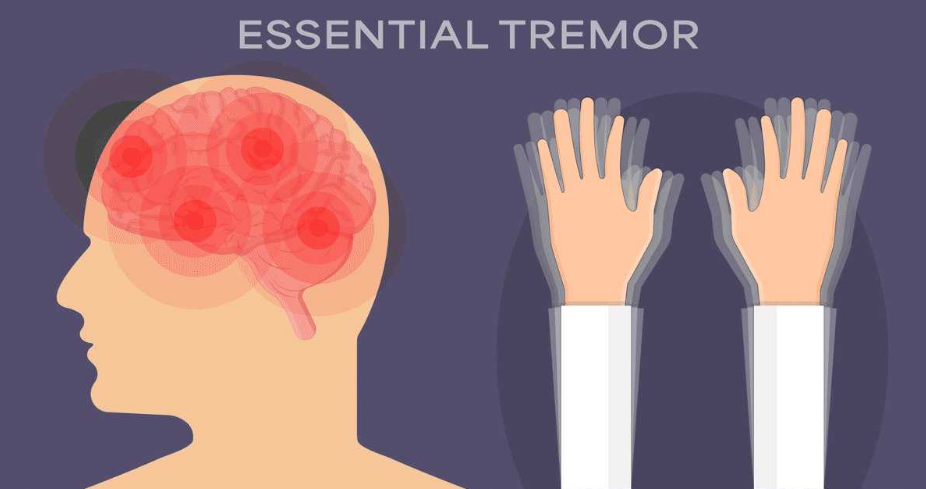
Tremors are involuntary shaking movements that usually affect the hands, fingers, head, or voice. During stress or anxiety, nerve signals can become overactive or irregular. This abnormal nerve activity can cause muscles to contract repeatedly, leading to shaking. Stress-related tremors usually become more noticeable during emotional pressure, fatigue, or anxiety-provoking situations and may reduce once the mind relaxes.
Common Types Of Tremors Linked To Stress
Stress and anxiety usually cause tremors that appear during movement or while holding objects, such as writing or lifting a cup. These are different from tremors that occur when the body is completely at rest. In many cases, stress-related tremors are temporary. However, if stress continues for a long time, tremors may become more frequent or severe, affecting daily activities.
Other Nervous System Symptoms Caused By Stress
Tremors are not the only signs of nervous system imbalance due to stress. Many people also experience headaches, muscle pain, numbness, tingling sensations, dizziness, and poor sleep. Some may feel weakness, difficulty concentrating, or increased sensitivity to noise and light. These symptoms show how closely mental health and nervous system function are connected.
When Tremors Should Not Be Ignored
Occasional shaking during stressful moments is usually harmless. However, tremors should be evaluated by a doctor if they happen frequently, worsen over time, or interfere with daily tasks. Tremors that appear without stress, affect one side of the body, or are accompanied by weakness or coordination problems may indicate an underlying neurological condition and require medical attention.
How Doctors Diagnose Stress-Related Tremors
Diagnosis of stress-related tremors begins with a detailed discussion of symptoms, medical history, lifestyle habits, and emotional health. Doctors may perform a neurological examination to assess muscle strength, reflexes, balance, and coordination. In some cases, blood tests or imaging studies are recommended to rule out other causes, such as thyroid problems, vitamin deficiencies, or neurological disorders. Accurate diagnosis helps ensure proper treatment.
Treatment And Management Options
Managing stress-related nervous system symptoms involves addressing both mental and physical health. Stress-reduction techniques, such as meditation, deep breathing, yoga, and regular exercise, help calm the nervous system. Counseling or therapy can help individuals manage anxiety triggers. In certain cases, doctors may prescribe medications to reduce tremors or anxiety symptoms, depending on severity and individual needs.
Role Of Specialized Care In Persistent Tremors
When tremors continue despite lifestyle changes, further neurological evaluation may be needed. Some individuals may be diagnosed with conditions such as essential tremor, which requires targeted management. Ahmedabad has developed comprehensive neurological services, and patients seeking essential tremor treatment Ahmedabad can benefit from expert assessment that focuses on symptom control, emotional support, and long-term improvement in the general quality of life.
Importance Of Mental Health Awareness For Nervous System Health
Understanding the link between stress, anxiety, and the nervous system helps individuals take early action before symptoms worsen. Simple lifestyle changes, emotional support, and timely medical care can prevent long-term complications. Paying attention to both mental and neurological health plays an important role in maintaining balance, improving daily functioning, and supporting overall well-being.