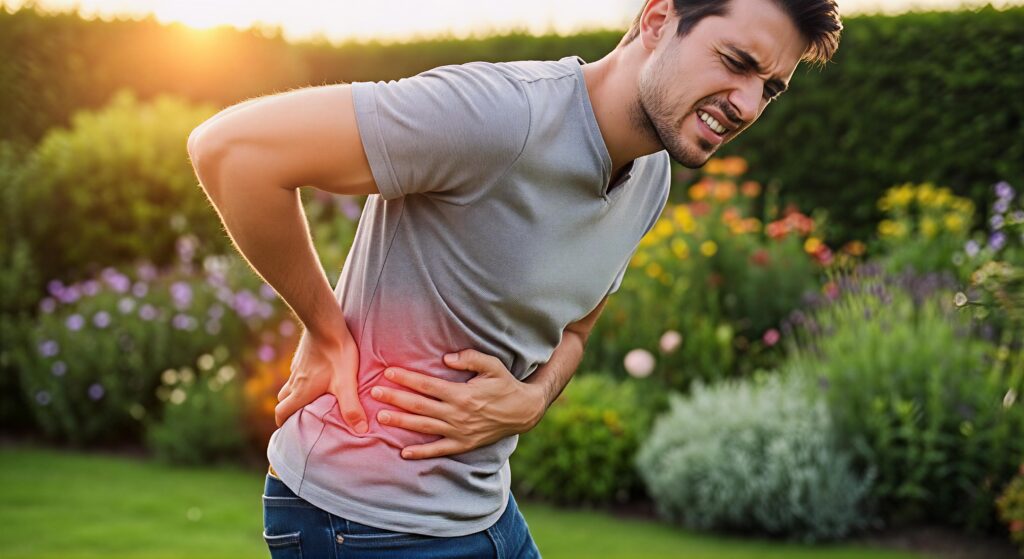

Cholerhiasis is a term people often use when talking about gallstone-related problems, even though the correct medical name is cholelithiasis. Still, let’s stick with cholerhiasis as the focus and explore what it means for the gallbladder and overall health.
How Cholerhiasis Starts
Cholerhiasis begins when hardened deposits form inside the gallbladder. These stones can be tiny or large. They may stay silent for years, but sometimes they move and block the flow of bile, which triggers pain and other uncomfortable symptoms.
Why the Gallbladder Matters
The gallbladder stores bile, which helps break down fats. When stones form, the organ struggles to empty correctly. That’s when cholerhiasis becomes noticeable. The body reacts with pain, nausea, and inflammation because the bile flow gets disrupted.
Common Signs of Cholerhiasis
The most common sign is sudden upper abdominal pain. It usually comes on fast and may spread to the back or shoulder. People often describe it as sharp and intense. Nausea is another common sign. When fever appears, it points to possible infection.
Silent Cholerhiasis
Some people never feel symptoms. Their stones stay quiet for years. This silent form of cholerhiasis is usually found by accident during scans for unrelated issues. Even without symptoms, these stones can suddenly cause trouble if they shift.
When Pain Appears
Pain usually happens when a stone blocks the bile duct. This is called biliary colic. The pain may last minutes or hours. It often follows a fatty meal. The gallbladder squeezes harder to push bile through the blockage, which increases discomfort.
Risk Factors You Should Know
Some people have a higher chance of getting cholerhiasis. Being overweight, eating high-fat foods, losing weight quickly, pregnancy, genetics, and age can all play a part. Women get gallstones more often than men because of hormonal influences.
How Diet Affects Cholerhiasis
Food plays a major role. Diets heavy in fried foods, fast food, and saturated fats push the gallbladder to work harder. Over time, this increases stone formation. Eating more fiber and fresh foods can help lower the risk.
The Role of Genetics
Genetics also influence cholerhiasis. If family members have gallstones, your chances go up. Your body may naturally produce bile with more cholesterol, or your gallbladder may empty more slowly, creating the perfect conditions for stones to form.
How Doctors Diagnose Cholerhiasis
Doctors usually start with an ultrasound. It’s safe, painless, and effective at spotting stones. Sometimes they use blood tests to check for infection or blocked ducts. In rare cases, they use CT scans or MRIs when more detail is needed.

Why Ultrasound Is Helpful
Ultrasound can show gallstones clearly. It can also reveal thickened gallbladder walls, fluid, or signs of inflammation. Because it doesn’t use radiation, it’s safe for all ages. Most diagnoses of cholerhiasis begin with this simple test.
Possible Complications
If cholerhiasis is ignored, stones may cause infection. This can lead to cholecystitis, a painful swelling of the gallbladder. Another risk is pancreatitis if a stone blocks the pancreatic duct. Jaundice can also appear when bile backs up into the bloodstream.
Cholerhiasis and the Liver
When stones block bile flow, the liver gets affected. Bile can’t drain properly, which raises bilirubin levels. The skin and eyes may turn yellow. This is jaundice. It signals that the blockage is serious and needs medical care quickly.
Treatment Options
Treatment depends on symptoms. If stones cause pain or infection, surgery is often the best option. Doctors remove the gallbladder through a minimally invasive procedure. People usually recover quickly. Without symptoms, treatment may not be needed.
Surgery for Cholerhiasis
Gallbladder removal is called cholecystectomy. Most people get it done through small incisions. They go home the same day or the next. The body adjusts easily to life without a gallbladder. Bile flows directly from the liver to the intestine.
Non-Surgical Treatments
Not everyone needs surgery. Some stones can be dissolved with medication. This method works slowly and only for certain types of stones. Doctors may also use shock-wave therapy to break stones into smaller pieces, but it’s used less often.
Daily Management Tips
Small meals help digestion. Drinking water throughout the day keeps bile flowing. Avoiding heavy meals at night also helps. These simple habits reduce the chances of triggering symptoms.
Understanding the Bile Ducts
The ducts act like small channels that guide bile. When a stone enters one, it can get stuck. This creates pressure and pain. Knowing how these ducts work makes it easier to understand cholerhiasis.
Why Some Stones Cause Pain
Not all stones move. The ones that cause trouble are usually small enough to travel into the ducts. Larger stones may stay inside the gallbladder without causing symptoms, sometimes for life.
Different Stone Types
Stones can be cholesterol-based or pigment-based. Cholesterol stones are the most common. Pigment stones form when there’s too much bilirubin in bile. Understanding stone types helps guide treatment choices.
Can Stones Return After Treatment?
If the gallbladder is removed, stones don’t return. But if treated without surgery, stones may come back. That’s why long-term lifestyle changes matter.
Final Thoughts
Cholerhiasis affects millions of people. Understanding symptoms and choices helps people stay healthier. With the right knowledge and care, the condition becomes manageable, and complications can be prevented.
FAQs
1. Is cholerhiasis the same as gallstones?
Yes, the term refers to gallstone-related issues, though the correct medical name is cholelithiasis.
2. Can cholerhiasis go away without treatment?
Silent stones may stay harmless, but painful stones usually need treatment.
3. What food should I avoid?
Avoid fried foods, heavy oils, butter, and high-fat meals.
4. Can children get cholerhiasis?
Yes, but it’s less common. Risk depends on diet, genetics, and health conditions.
5. Is surgery always necessary?
No. Only people with repeated pain or complications usually need surgery.
Read Also: 3474694199 Review Real User Experiences, Warnings, and Safety Tips