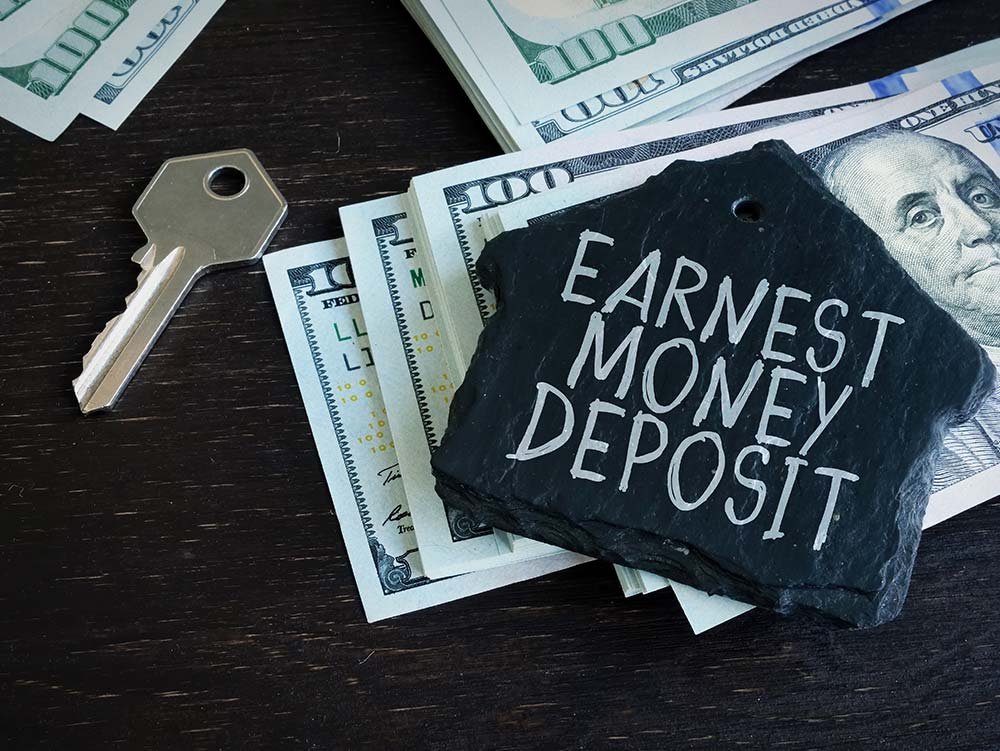

When you’re navigating the real estate market, understanding key terms like earnest money can streamline the process and enhance your confidence as a buyer. Let’s delve into what earnest money means and how it plays a pivotal role in closing on a house.
What is Earnest Money?
What does earnest money mean? Earnest money, often referred to as a “good faith deposit,” is a sum paid by the buyer to show their serious intent to purchase a property. Typically ranging from 1% to 3% of the home’s purchase price, this deposit demonstrates your commitment to the seller. In a competitive market, an earnest money deposit can make your offer stand out, providing assurance to the seller that you’re dedicated to closing the deal.
Why Do Buyers Pay Earnest Money Deposits?
The primary reason for an earnest money deposit is to signify your commitment to the transaction. It serves as a security measure for the seller, affirming that you are a serious buyer. By making this deposit, you increase the attractiveness of your offer, particularly in situations where multiple buyers might be interested in the same property. This financial commitment can be the deciding factor in securing your desired home.
How Much Should I Deposit?
Typically, earnest money amounts to 1-2% of the home’s purchase price. However, in high-demand areas or during bidding wars, the deposit could rise to 5% or even higher. For example, in the competitive Bay Area, deposits often reach up to 10% of the purchase price. Consulting with a real estate agent can provide insight into the appropriate amount for your specific market, ensuring your offer remains competitive.
When and How is Earnest Money Paid?
Once your offer is accepted, and the purchase agreement is signed, the earnest money deposit is typically due within three days. Accepted payment methods include personal checks, certified checks, or wire transfers. It’s crucial to remember that these funds should never be given directly to the seller. Instead, transfer the money to a neutral third party like a bank, escrow company, or real estate brokerage. This ensures the funds are securely held until closing or if a contingency is enacted.
Is Earnest Money Refundable?
A common question is whether earnest money is refundable. The answer depends on specific circumstances outlined in contractual contingencies. If the deal falls through due to reasons covered by these contingencies, such as a failed home inspection or inability to secure financing, the deposit is typically refundable. However, withdrawing from the deal for other reasons might result in forfeiting the earnest money to compensate the seller for lost opportunities and additional costs.
How is Earnest Money Used in a Transaction?
Upon closing, the earnest money is applied to your down payment and closing costs, contributing directly to the purchase of the home. Understanding how these funds are utilized can provide assurance when making this financial commitment. This integration into the total costs simplifies the transaction and underscores the earnest money’s role in securing your dream home.
Difference Between Earnest Money and a Down Payment
While both are financial commitments in the home buying process, earnest money and down payments serve different purposes. Earnest money is a smaller deposit, demonstrating commitment and securing your offer. In contrast, a down payment constitutes a more substantial portion of the home’s price, typically ranging from 10-25%, and signals the progression into full ownership upon closing. Unlike earnest money, down payments are non-refundable and integral to finalizing the sale.
How Can I Protect My Earnest Money?
To safeguard your earnest money, consider these steps:
- Carefully draft and review the home purchase contract, ensuring all necessary contingencies are included.
- Use an escrow account exclusively managed by a neutral third party.
- Comply with all contract terms, conditions, and deadlines diligently.
By following these guidelines, you’re less likely to forfeit your deposit and more likely to have a smooth home buying experience.
Conclusion
Understanding earnest money is vital in the home buying process, providing peace of mind and demonstrating your commitment as a buyer. Always consult with professionals like real estate agents or attorneys to navigate these aspects confidently and protect your financial interests.